SKAI TV is one of the leading private television channels in Greece. It is well known for its strong focus on news, documentaries, reality shows, and entertainment programs.
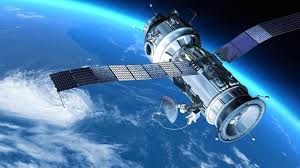
Due to its popularity, SKAI TV is transmission via satellite to reach audiences across different regions.
Satellite Transmission Basics
To receive SKAI TV through satellite, audience need to configure their receivers using the proper technical parameters. These include:
- Frequency (MHz)
- Polarization (Horizontal or Vertical)
- Symbol Rate
- Forward Error Correction (FEC)
Accurate settings are essential for steady and clear signal reception.
SKAI TV on Hot Bird Satellite
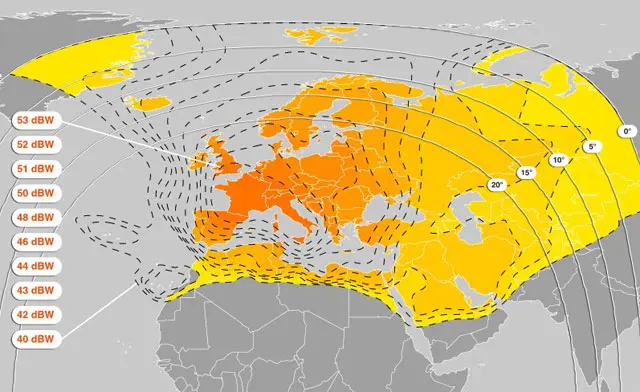
Hot Bird at 13° East is one of the primary satellites that may carry Greek television channels, including SKAI TV. It offers wide reach across Europe, North Africa, and parts of the Middle East.
Typical transmission settings (subject to change):
- Frequency: 12169 MHz
- Polarization: Horizontal
- Symbol Rate: 27500
Hot Bird is widely used due to its strong signal and broad footprint.
Availability on Other Satellites
SKAI TV may also be accessible on other satellites, such as those operated by Eutelsat, depending on broadcasting agreements and regional distribution. In some cases, the channel may appear on different frequencies or satellites temporarily.
Free-to-Air vs Subscription Access
SKAI TV is not always accessible as a free-to-air channel. In many cases, it is distributed through subscription-based platforms. Viewers may need:
- A compatible satellite receiver
- A valid subscription or smart card
- Updated channel parameters
Why Frequencies Change
Satellite frequencies are not fixed and may change due to several factors, including:
- Technical upgrades
- Changes in satellite providers
- Licensing and distribution agreements
- Bandwidth optimization
Regular rescanning of the receiver helps maintain access.
Tips for Receiving SKAI TV
- Ensure proper satellite dish positioning
- Enter proper and updated frequency details
- Perform periodic channel scans
- Follow reliable satellite frequency update sources