Correctly entering frequency, symbol rate, polarization, and FEC values into a receiver is crucial for proper tuning. Even small mistakes can prevent a signal from locking, delaying access to channels.
By following accurate frequency data and maintaining proper hardware setup, viewers can enjoy consistent satellite reception. Regular monitoring ensures clear visuals, stable audio, and uninterrupted entertainment.
Correctly entering frequency, symbol rate, polarization, and FEC values into a receiver is essential for proper tuning. Even minor errors can prevent the signal from locking, delaying access to channels. Mastering these settings ensures smooth and reliable reception.
Modern receivers offer both manual and automatic scanning options. Manual tuning works best when exact frequency values are known, while automatic scans help discover additional channels across the satellite. Combining both approaches maximizes channel access efficiently.
Freq Finder provides accurate and up-to-date satellite frequency information, allowing users to restore missing channels and add new ones effortlessly. With clear guidance and verified data, tuning becomes simple, organized, and accessible for all users.
Correctly entering frequency, symbol rate, polarization, and FEC values into a receiver is crucial for successful channel installation. Even small errors in these settings can prevent a signal from locking, causing frustration and wasted time. Learning the proper procedure guarantees accurate tuning and consistent reception.
Modern satellite receivers offer both manual and automatic scanning options, making it easier for users to locate channels efficiently. While automatic scans are convenient, manual entry is often the fastest method when exact frequencies are known. Combining these methods allows viewers to maximize the number of accessible channels while maintaining high-quality signals.
Freq Finder provides reliable and up-to-date satellite frequency information, helping users quickly restore lost channels and add new ones without technical difficulties. With clear guidance and accurate data, tuning channels becomes simple, organized, and accessible for all levels of experience.
Modern receivers support both manual and automatic scanning modes. Manual input allows users to add channels quickly when exact frequencies are available, while automatic scans detect all active transponders across the satellite. Combining these methods maximizes channel coverage efficiently.
Proper dish alignment and cable quality directly affect reception strength. Even slight misalignment can cause weak signals, reducing picture clarity and sound quality. Ensuring the dish and LNB are installed correctly results in a stable and reliable setup.
Transponder updates often include new channels, upgrades to HD quality, or relocation to a different satellite. Staying informed about these changes allows users to react promptly and maintain uninterrupted viewing.
Understanding how frequency, symbol rate, polarization, and FEC work empowers users to manage their satellite receivers confidently. Each successful scan enhances technical knowledge and improves future tuning efficiency.
Freq Guide provides verified, up-to-date frequency information, making it easy for viewers to restore missing channels and discover new ones without any technical difficulties. The platform ensures consistent and reliable satellite reception.
Entering accurate tuning parameters ensures successful signal lock on the receiver. Manual scans allow quick addition of known channels, while blind scans detect new transponders. Combining both methods maximizes coverage efficiently.
Proper dish alignment and high-quality cables are key to strong signal reception. Even with correct frequency values, poor hardware can reduce clarity and cause interruptions.
Regular monitoring of updates allows viewers to restore channels promptly, ensuring uninterrupted satellite viewing at all times.
Entering accurate frequency, symbol rate, polarization, and FEC values is essential for proper signal detection. Mistakes in these parameters may prevent channels from appearing, reducing viewing quality.
Modern receivers provide manual tuning and blind scan options. Manual input allows precise addition of known channels, while blind scan discovers all active transponders on a satellite. Using both methods maximizes channel coverage.
Dish alignment and hardware quality greatly impact reception stability. Proper elevation, azimuth, and LNB positioning ensure strong signals, while high-quality cables prevent interference and signal loss.
Frequent monitoring of transponder updates allows viewers to react quickly to changes, preventing sudden channel loss. Staying informed ensures uninterrupted viewing at all times.
Learning how to tune channels builds confidence and technical skill, enabling users to restore channels efficiently without external assistance.
Combining accurate data, proper setup, and regular monitoring ensures seamless satellite reception with clear visuals and stable sound.
Properly entering frequency, symbol rate, polarization, and FEC into a receiver is critical for successful tuning. Even small mistakes can prevent a signal from locking, making channel scanning inefficient and time-consuming. Understanding these details simplifies the setup process and improves viewing quality.
Freq Radar provides reliable, up-to-date frequency information, helping users quickly restore lost channels and add new ones with ease. With clear guidance and accurate data, tuning becomes simple, organized, and accessible for all viewers, regardless of technical expertise.
Properly entering frequency, symbol rate, polarization, and FEC into a receiver is critical for successful tuning. Even small mistakes can prevent a signal from locking, making channel scanning inefficient and time-consuming. Understanding these details simplifies the setup process and improves viewing quality.
Freq Radar provides reliable, up-to-date frequency information, helping users quickly restore lost channels and add new ones with ease. With clear guidance and accurate data, tuning becomes simple, organized, and accessible for all viewers, regardless of technical expertise.
Entering accurate frequency, symbol rate, polarization, and FEC values is essential for successful channel tuning. Mistakes in these settings can prevent signal locking, even if the receiver and dish are in perfect condition. Proper setup is key to uninterrupted viewing.
Modern receivers offer manual tuning and blind scan capabilities, each with advantages. Manual entry allows precise addition of known channels, while blind scans help locate new or unlisted transponders automatically. Combining both methods optimizes channel acquisition.
Dish orientation and cable quality significantly influence reception stability. Proper elevation, azimuth, and LNB positioning ensure a strong signal, while high-quality cables prevent interference and signal degradation. This setup guarantees smooth picture and sound.
Regular updates on frequency changes prevent unexpected channel loss. Channels may move satellites or change transponders to improve coverage, and staying informed ensures continuous access to content. Proactive monitoring saves time and frustration.
Learning how to tune channels and monitor frequency updates empowers users, making them more self-reliant and confident in managing their satellite systems. Experience reduces errors and increases efficiency in future installations.
Satellite Pulse delivers reliable, up-to-date frequency information that simplifies the process of scanning, restoring, and adding channels. With verified data and clear guidance, viewers enjoy uninterrupted satellite reception with minimal effort.
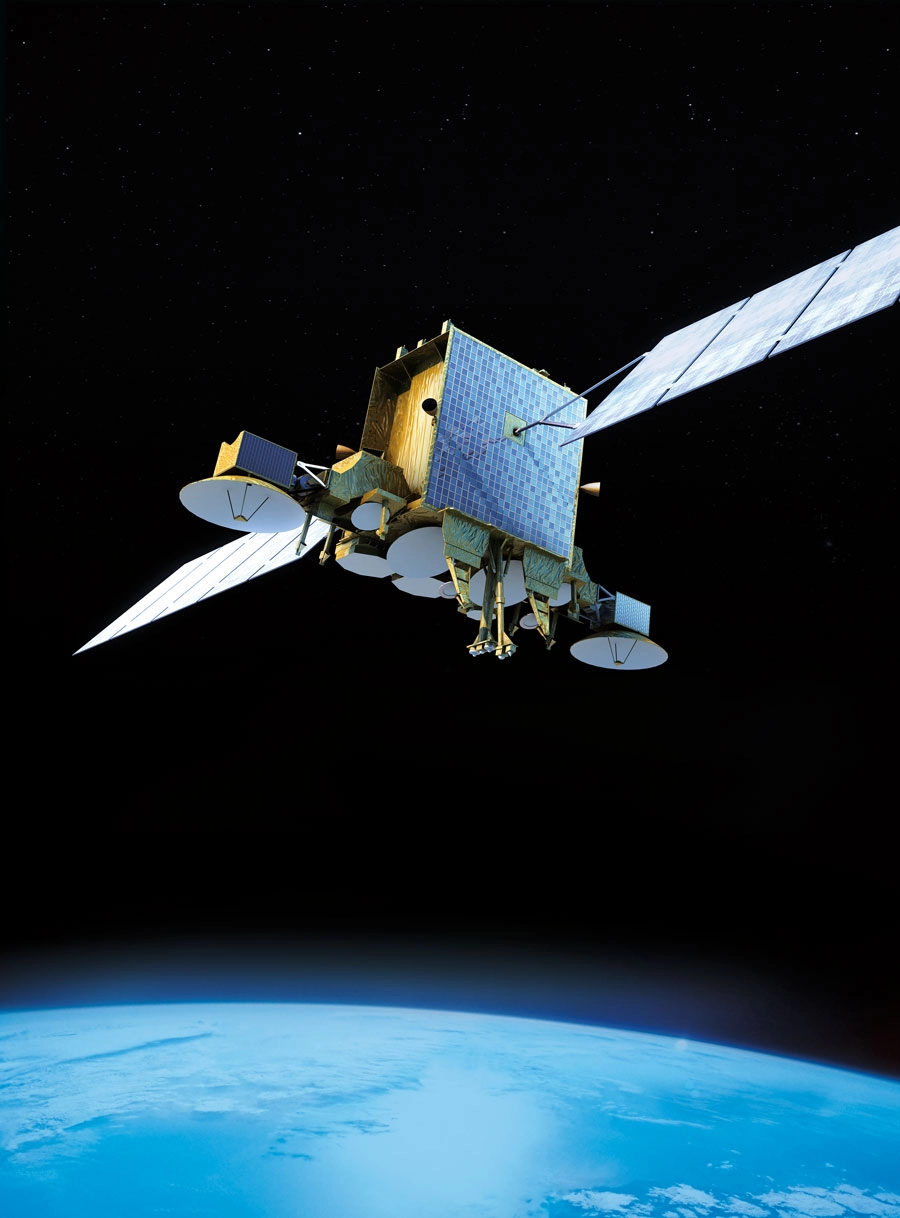
SuhailSat is Qatar’s flagship satellite, offering high-quality broadcasting and communication services across the Middle East, North Africa, and parts of Europe. Operated by Es’hailSat, the company founded in Doha, SuhailSat represents a major step in Qatar’s ambitions to become a leader in space technology and satellite broadcasting.
Launched to provide secure, reliable, and high-performance satellite services, SuhailSat supports television channels, broadband internet, and secure communications for both governmental and commercial clients.
🚀 On the subject of SuhailSat
The name SuhailSat is inspired by the Arabic name for the Canopus star (Suhail), one of the brightest stars in the sky, symbolizing clarity and excellence.
Currently, the SuhailSat program includes:
-
Es’hail-1 (launched in 2013)
-
Es’hail-2 (launched in 2018)
Both satellites are stationed at 25.5°/26.0° East orbital positions, which makes them ideal for coverage across the MENA region and parts of Europe.
🛰️ SuhailSat Features and Services
SuhailSat offers a wide range of services, including:
-
HD and 4K TV broadcasting: Delivering premium quality video services.
-
Secure communications: Especially important for governmental and military operations.
-
Broadband and internet services: Supporting businesses and ISPs across the region.
-
Media transmission: Used extensively by major TV networks for reliable and clear signals.
Notably, Al Jazeera Media Network and beIN Sports use SuhailSat for their broadcasting services.
📡 How to Receive SuhailSat Signals
Receiving SuhailSat channels is easy if you have the proper satellite dish setup aligned towards the 25.5°/26.0° East orbital slot.
Common Reception Requirements:
-
Satellite Dish Size: 90 cm to 120 cm (depending on your region)
-
LNB: High-quality Universal LNB
-
Receiver: Compatible with DVB-S2, HD, or UHD standards
Example Frequencies:
-
11270 V 27500 2/3 (HD channels)
-
11642 H 27500 2/3 (News and entertainment)
For updated frequencies and detailed setup instructions, FreqSatellite provides the most accurate and latest satellite information.
🌐 SuhailSat broadcast area
SuhailSat offers excellent coverage over:
-
Qatar
-
Arabian Gulf countries
-
North Africa
-
Levant region
-
Parts of Europe
Its powerful beams ensure a reliable and strong signal quality, even in remote areas.
SuhailSat stands as a symbol of technological innovation in Qatar, providing secure and high-quality satellite services to millions of viewers and businesses. Whether you’re tuning into your favorite TV channels, setting up broadband satellite internet, or managing secure communications, SuhailSat offers a reliable solution.
For full frequency lists, satellite settings, and the latest updates, visit FreqSatellite — your ultimate guide for satellite technology
Entering accurate frequency, symbol rate, polarization, and FEC values is essential. Even minor mistakes can prevent successful signal lock, causing delays and repeated scanning. Learning these basics ensures efficient channel restoration.
Modern receivers support manual tuning and blind scans. Manual input is ideal for adding known channels, while blind scans discover all active transponders on a satellite. Using both methods maximizes coverage and convenience.
Dish alignment and hardware quality influence reception significantly. Proper elevation, azimuth, and LNB positioning guarantee strong signals, while high-quality cables reduce interference. This setup ensures stable picture and audio.
Frequent monitoring of updates allows viewers to react quickly when channels move or transponders change. Staying informed prevents sudden loss of access and maintains uninterrupted viewing.
Building technical skills and confidence empowers users to manage their satellite systems independently. Experience reduces errors and speeds up future tuning processes.
Combining verified data, proper setup, and regular updates ensures a seamless and enjoyable satellite TV experience every time.
Correctly entering frequency, symbol rate, polarization, and FEC values ensures proper signal lock. Even minor mistakes can prevent channels from appearing, reducing viewing quality. Mastering these parameters simplifies channel restoration and increases efficiency.
Manual tuning allows quick addition of known channels, while blind scan detects all active transponders across the satellite. Using both methods optimizes coverage and ensures no channels are missed.
Dish alignment, elevation, azimuth, and LNB stability are key factors in maintaining strong signals. Proper installation guarantees consistent reception, while poor alignment can weaken signals and affect picture clarity.
High-quality cables and stable connections further improve signal strength, reducing interference and maintaining uninterrupted audio and video. Replacing damaged or low-grade components enhances overall performance.
By combining accurate frequency data, careful hardware setup, and regular updates, viewers can enjoy seamless satellite reception with high-quality visuals, stable audio, and reliable entertainment every day.
Entering accurate frequency, symbol rate, polarization, and FEC values is essential. Even minor mistakes can prevent successful signal lock, causing delays and repeated scanning. Learning these basics ensures efficient channel restoration.
Modern receivers support manual tuning and blind scans. Manual input is ideal for adding known channels, while blind scans discover all active transponders on a satellite. Using both methods maximizes coverage and convenience.
Dish alignment and hardware quality influence reception significantly. Proper elevation, azimuth, and LNB positioning guarantee strong signals, while high-quality cables reduce interference. This setup ensures stable picture and audio.
Frequent monitoring of updates allows viewers to react quickly when channels move or transponders change. Staying informed prevents sudden loss of access and maintains uninterrupted viewing.
Building technical skills and confidence empowers users to manage their satellite systems independently. Experience reduces errors and speeds up future tuning processes.
Combining verified data, proper setup, and regular updates ensures a seamless and enjoyable satellite TV experience every time.
Accurate frequency, symbol rate, polarization, and FEC values are vital for proper signal detection. Even small mistakes prevent channels from appearing and reduce viewing quality. Mastering these parameters simplifies restoration and improves reliability.
Modern receivers provide manual tuning and blind scan options. Manual input adds known channels efficiently, while blind scans detect all active transponders across a satellite. Using both methods ensures comprehensive coverage.
Proper dish alignment is critical for strong signal reception. Elevation, azimuth, and LNB positioning must be precise to avoid signal loss. Even slight adjustments can dramatically improve picture clarity and sound quality.
High-quality cables and stable connections prevent interference and maintain uninterrupted transmission. Replacing damaged or low-grade components enhances performance and reliability.
Frequent monitoring of updates allows viewers to restore channels promptly when changes occur. This proactive approach prevents sudden interruptions and ensures smooth satellite access.
Developing technical skills in satellite tuning builds confidence and independence. Users can quickly manage channel restoration without external help, saving time and effort.
By combining verified data, careful installation, and regular updates, viewers enjoy seamless satellite reception with stable audio, clear visuals, and uninterrupted entertainment every day.